Explore Meteora’s Natural History and Mushroom Museum
Located on the national highway connecting Trikala with the Egnatia highway, the Natural History Museum of Meteora and Mushroom Museum blends nature and curiosity under one roof. If you're captivated by different mammals and birds, fascinated by how mushrooms grow, or simply need a creative break from monastery-hopping, this museum is your go-to.
With hands-on exhibits and mushroom species on display, it’s a quirky and underrated stop you’ll be glad you didn’t skip.
About the Natural History Museum of Meteora and Mushroom Museum
Opened in 2014, this dual-concept museum highlights two core themes that shape the Meteora region:
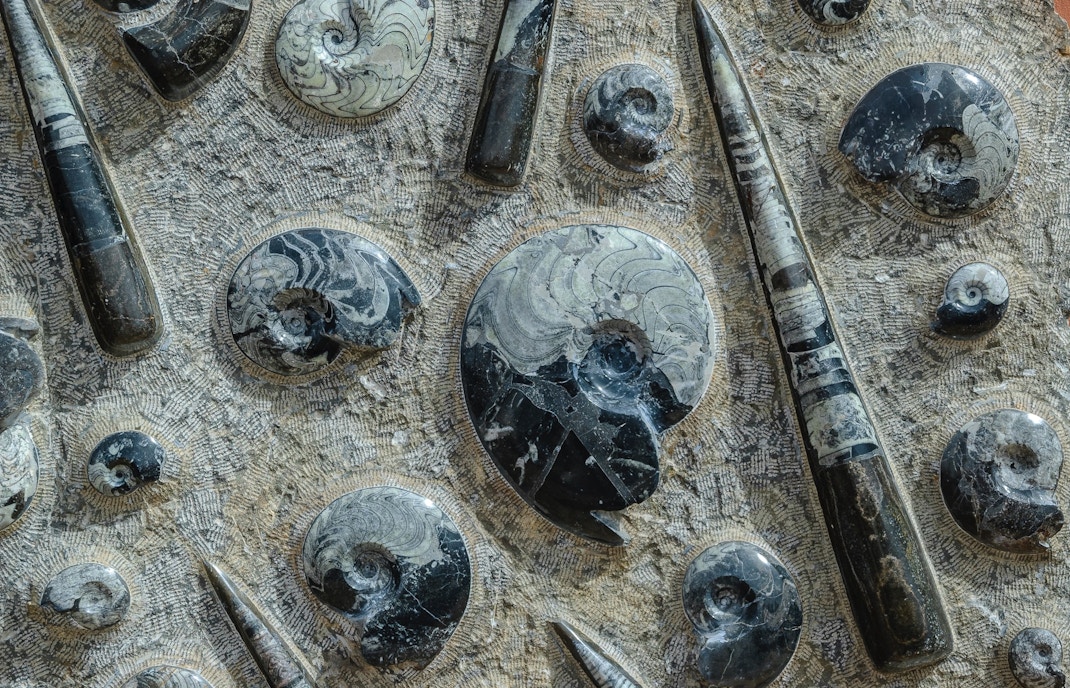
Natural History Wing: Dive into the area's geological evolution with exhibits on prehistoric fossils, mammals, birds, minerals, and meteorites.
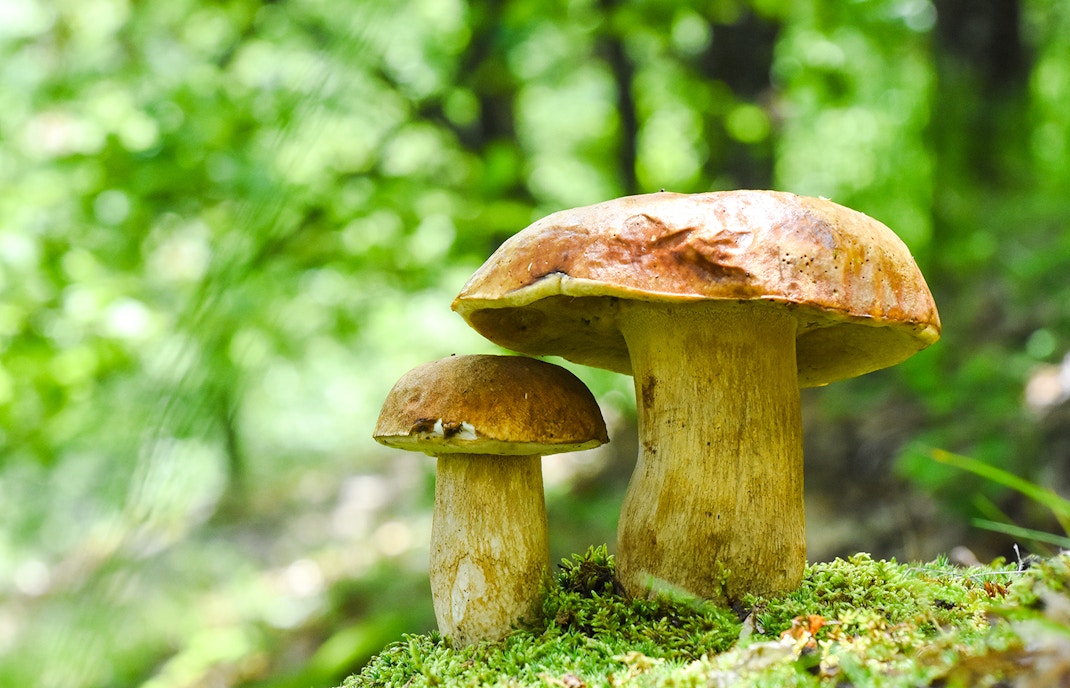
Mushroom Museum: Explore Greece’s rich foraging traditions and the science behind fungi with a lineup of mushroom models.
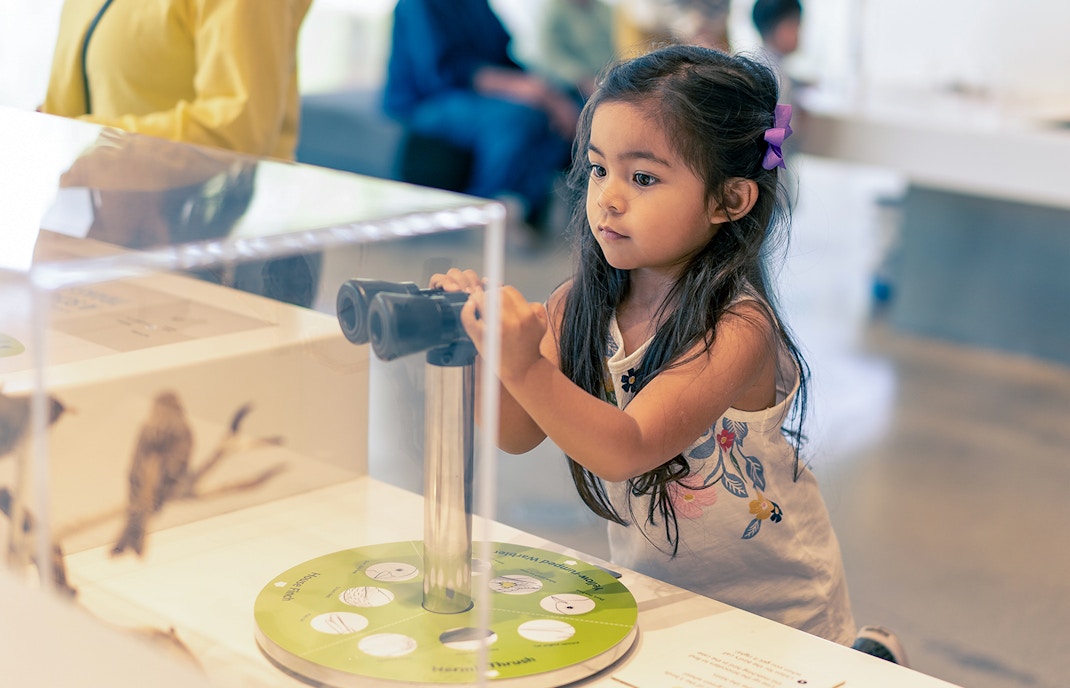
Both sections are highly interactive, making the museum ideal for adults and kids.
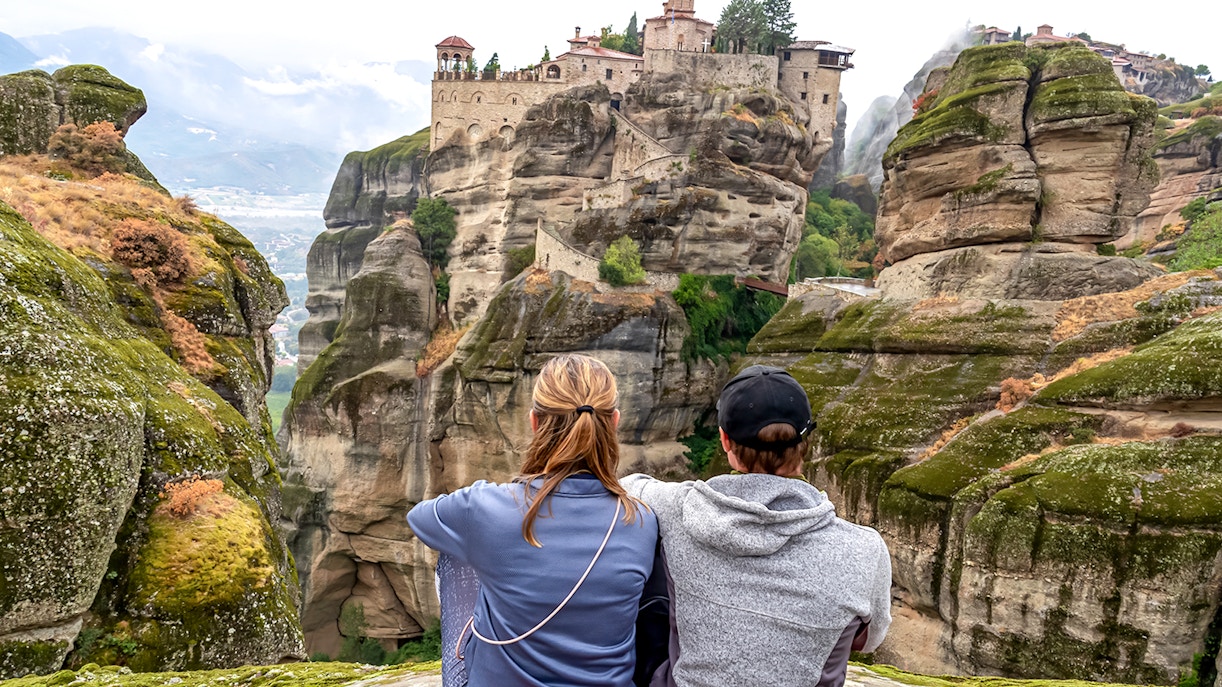
It helps you understand how those towering Meteora pillars even exist.
You get to learn about the region’s unsung hero: the humble mushroom, deeply rooted in Greek culture and cuisine.
It’s the kind of museum that keeps both science enthusiasts and travelers hooked.
Main exhibits on display
Here’s what to expect inside:
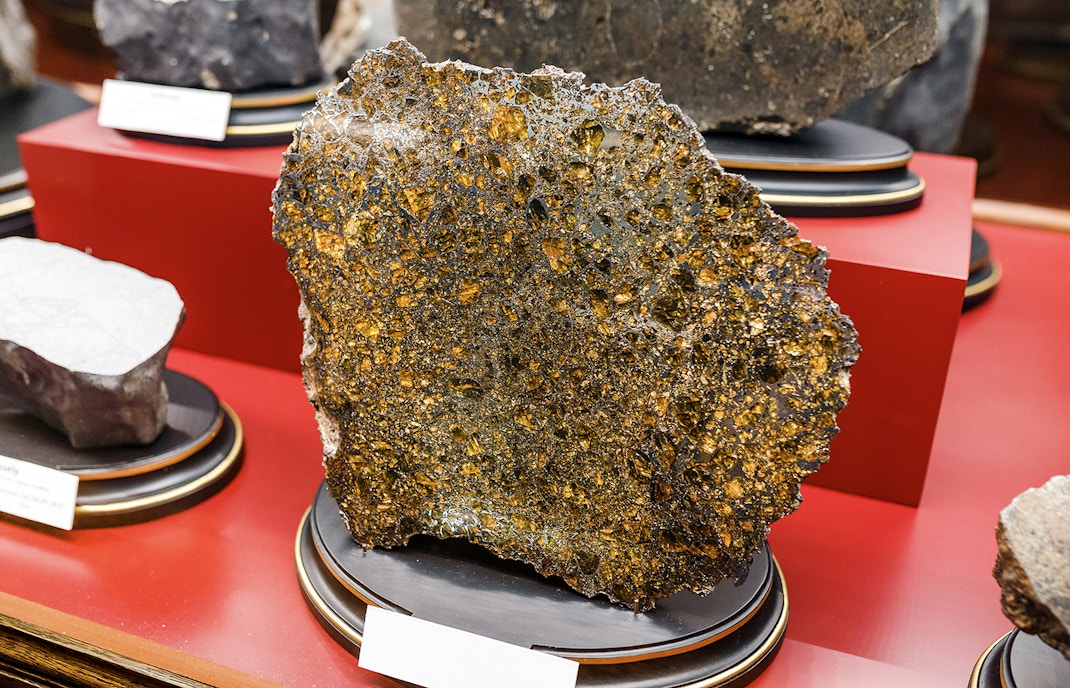
Meteorite and Mineral Treasures
Real fragments from Argentina’s Campo del Cielo meteorite shower
Rock samples showing 250+ million years of local earth history
Crystal close-ups via interactive magnification stations
Regional Fauna and Flora
Realistic dioramas of birds, reptiles, and high-altitude plants
Specimens showcasing Meteora’s rich biodiversity
Touch-and-learn stations perfect for families
Geology and Paleontology
A sandbox to “build your own rock”
Fossils from nearby excavation sites
Interactive tectonic timeline wall
Mushroom World
80+ species—from edible to poisonous, fully labeled
Multimedia panels on traditional mushroom uses in Thessaly
3D-printed mushroom models that are weirdly satisfying to look at
Visitor information
Planning your visit? Here's what you need to know:
Mon–Sat: 9am–5pm
Sun: 10am–6pm
Just 3km north of Kalambaka town, easily accessible by local transport
Take Bus Line 1 from Kalambaka station (runs hourly)
On-site parking available if you’re driving
The ground floor is fully wheelchair-friendly.
Beat the crowds by arriving at opening time, especially in summer.
Bring your camera for photo opportunities inside the mushroom exhibits.
Leave time for the gift shop: Local teas, mushroom products, and handmade souvenirs are worth checking out.
Note seasonal timing: Winter months may mean shorter hours or reduced exhibits.
Frequently asked questions about Natural History Museum of Meteora and Mushroom Museum
About 1–1.5 hours is perfect for a relaxed visit.
Yes. Just keep the flash off near delicate items.
Yes. Many interactive exhibits are designed with younger visitors in mind. Plus, the natural history section features animal dioramas and often hosts educational programs and interactive displays
Yes. There's a spot for drinks and snacks, plus a gift shop filled with regional goodies.
The combined Natural History and Mushroom Museum is at Pindou Street, Kalambaka, roughly a 5–10 minute walk from the Kalambaka train station or town center. There’s also nearby parking if you arrive by car.
You can buy tickets on-site, but it’s smart to reserve online, especially during peak months (June–September).
Explore Meteora’s hidden gems. Book now!
From Athens: Meteora Monasteries & Caves Full-Day Trip